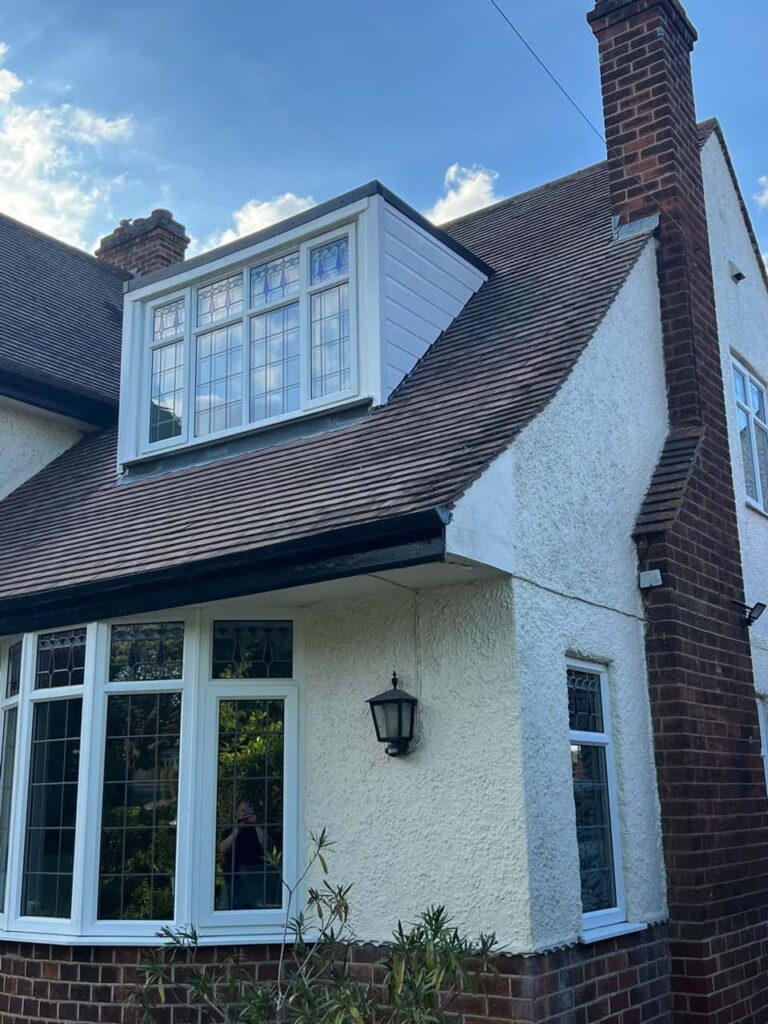
A tiled roof will naturally change as it gets older. Years of exposure to rain, wind, seasonal temperature changes and general weathering can gradually affect tiles, fixings, mortar and the materials beneath the roof covering. Some signs of ageing are therefore expected and do not automatically mean that a roof is failing.
The important distinction is between normal, manageable wear and deterioration that is beginning to affect the roof as a complete system. An occasional damaged tile may only require a local repair, whereas repeated tile movement, recurring leaks and deterioration across several areas can indicate a more significant problem.
For homeowners in Petersfield, Hampshire, understanding these differences can help ensure roofing defects receive attention at the appropriate stage. At Petersfield Roofing Repairs, we assess both the visible problem and the wider condition of the tiled roof before determining what work is required.
What Does Normal Wear Look Like on a Tiled Roof?
Roof tiles are designed for long-term external exposure, but they do not remain unchanged throughout their service life.
Gradual weathering may affect the appearance of the roof without necessarily compromising its ability to protect the property.
An ageing tiled roof may display:
- General surface weathering
- Changes in colour and appearance
- Minor deterioration in isolated areas
- Occasional damaged tiles
- Small areas requiring routine maintenance
The presence of these features does not automatically indicate widespread roof failure.
What matters is whether the deterioration remains localised or is beginning to affect larger areas.
When Does General Wear Become More Significant?
The transition from ordinary ageing to a larger roofing concern usually becomes apparent through the pattern and extent of deterioration.
One damaged tile is very different from numerous tiles failing across the roof. Similarly, one repairable leak is different from water ingress repeatedly developing in separate locations.
Look at the Roof as a Complete System
A tiled roof depends on several components working together, including:
- Tiles
- Fixings
- Battens
- Underlay
- Flashing
- Ridge and verge details
- Roof junctions
If deterioration begins affecting several of these components simultaneously, the overall condition of the roof becomes increasingly important.
1. Increasing Numbers of Tiles Are Cracking
An individual cracked tile can often be replaced relatively straightforwardly.
However, if cracks are appearing across different sections of the roof, it may indicate that the covering is deteriorating more generally.
Why Widespread Tile Damage Matters
As tiles age, some can become increasingly vulnerable to weathering and physical deterioration.
If surrounding tiles are in a similar condition, replacing individual damaged units may resolve the immediate defect while further failures continue developing elsewhere.
A professional assessment can establish whether the damage remains isolated or forms part of broader deterioration.
2. Tiles Are Slipping More Frequently
A slipped tile is not always simply a problem with the tile itself.
Movement can sometimes result from deterioration in the components securing or supporting it.
Possible causes include:
- Failed fixings
- Damaged battens
- Deteriorated tiles
- Previous poor repairs
- Weather-related movement
If tiles repeatedly slip across several areas, investigating the supporting roofing system becomes particularly important.
3. Roof Leaks Are Becoming More Common
A roof leak deserves attention regardless of the age of the roof, but recurring leaks are particularly informative when assessing an older tiled covering.
One localised leak may originate from a single damaged tile or flashing defect.
Repeated leaks in different areas can suggest wider deterioration.
Water Ingress May Be Associated With:
- Multiple damaged tiles
- Ageing underlay
- Deteriorated roof junctions
- Failing flashing
- Movement within the covering
The location of an internal damp patch does not always reveal where water is entering because moisture can travel through the roof structure before becoming visible.
4. Repairs Are Needed More Often
The repair history of an ageing roof can provide valuable information about its condition.
Occasional maintenance over many years is normal. A noticeable increase in repair requirements is more significant.
Ask Whether:
- Repairs are becoming more frequent
- Different sections continually develop problems
- Previously repaired areas are deteriorating again
- Increasing numbers of tiles require attention
- Leaks are becoming more common
If the answer to several of these questions is yes, it may be time to assess the roof more comprehensively rather than considering each defect independently.
5. The Underlay Is Beginning to Deteriorate
The tiles are only the outermost part of the roofing system.
Beneath them, underlay provides an additional layer of protection. As an older roof ages, this material can also deteriorate.
Localised underlay damage may sometimes be dealt with during repair work. More extensive deterioration can be harder to address without removing larger sections of the covering.
This is one reason an older tiled roof can appear relatively satisfactory externally while problems are developing underneath.
6. Battens Are Being Affected
Roof battens provide support and fixing points for tiles.
Where water has entered repeatedly or underlying materials have aged significantly, battens may begin deteriorating.
Why Batten Condition Matters
If the support beneath a tile is no longer secure, simply replacing or repositioning the tile may not solve the problem.
Professional repair should therefore consider why the tile failed rather than treating only what is visible from outside.
7. Several Parts of the Roof Are Deteriorating Together
One of the clearest differences between local wear and a larger concern is the number of components affected.
An ageing roof may eventually develop a combination of:
- Cracked tiles
- Slipped tiles
- Deteriorated flashing
- Ageing underlay
- Damaged battens
- Recurring leaks
- Worn ridge or verge details
Individually, some of these defects may be repairable. Collectively, they can indicate that deterioration is becoming more general.
Does Moss Mean a Tiled Roof Is Failing?
Moss growth by itself does not necessarily mean that a tiled roof needs extensive work.
However, heavy growth can make it more difficult to observe the condition of the tiles and may retain moisture around the surface.
The more useful question is whether there are physical defects beneath or around the affected areas.
A professional assessment can distinguish cosmetic surface growth from deterioration requiring roofing attention.
What About a Roof That Simply Looks Old?
Appearance can be misleading.
A heavily weathered roof may still remain fundamentally sound, while another roof that looks reasonably tidy from ground level could contain deterioration beneath the tiles.
For this reason, replacement or extensive repair should not be recommended based purely on appearance.
The actual performance and condition of the roofing system matter more.
Changes to the Roofline Are a Bigger Concern
While surface weathering can be normal, visible changes to the shape of the roof require closer attention.
Look for:
- Sagging sections
- Noticeable dips
- Uneven areas
- Changes along the ridge
- Distortion in the roof covering
These symptoms can indicate that the issue extends beyond normal tile wear.
Professional assessment is important because replacing individual tiles will not correct a problem originating from supporting components beneath them.
When Are Local Repairs Still Appropriate?
An ageing tiled roof can remain an excellent candidate for professional repair when most of the roofing system is sound.
Local Repairs May Be Suitable When:
- Only a few tiles are damaged
- One specific leak has been identified
- Surrounding tiles remain serviceable
- Underlying materials are sound
- Flashing deterioration is localised
- The roofline remains stable
- Previous repairs have performed effectively
Age alone should not prevent a sound roof from being repaired.
When Does Wider Roofing Work Need Considering?
More extensive work becomes a stronger consideration when deterioration is widespread and repairs are no longer providing reliable results.
Warning Signs Can Include:
- Numerous deteriorating tiles
- Multiple areas of water ingress
- Frequent slipped tiles
- Extensive underlay deterioration
- Widespread problems with supporting components
- Repeated failure around previous repairs
- Visible movement within the roofline
The decision should always follow an assessment of the complete roof rather than being based on one symptom.
Why Repeated Patching Can Hide the Real Problem
There is an important difference between targeted roof repair and continually patching symptoms.
Suppose several tiles repeatedly slip from the same area. Repositioning them without checking the fixings or battens underneath may only provide a temporary improvement.
Likewise, treating the area above an internal damp patch without identifying the actual route of water entry can leave the underlying defect unresolved.
Professional roofing work should establish why the problem is happening.
Why Early Attention Is Valuable
The advantage of investigating an ageing roof early is that deterioration may still be limited.
A damaged tile that is repaired promptly may require relatively localised work. If the opening remains exposed and moisture begins reaching the underlay, battens and other materials, the problem can become progressively more involved.
Early assessment can help:
- Identify the original cause
- Protect surrounding materials
- Reduce opportunities for water ingress
- Preserve serviceable roofing components
- Prevent small defects from being repeatedly overlooked
This is particularly useful for older tiled roofs where different components may be at different stages of deterioration.
What Should a Professional Roof Assessment Include?
A useful assessment should consider the entire roofing system rather than simply counting damaged tiles.
Important Areas Include:
- The general condition of the tiles.
- The location and frequency of tile failures.
- Flashing and roof junctions.
- Ridge and verge areas.
- Signs of water penetration.
- Accessible underlay and battens.
- Previous repair areas.
- The overall shape and stability of the roof.
This helps establish whether the roof is experiencing ordinary localised wear or more widespread deterioration.
Maintaining an Ageing Tiled Roof in Petersfield
For homeowners in Petersfield, Hampshire, the key to managing an older tiled roof is responding to changes rather than simply waiting for obvious failure.
Pay attention when tiles begin moving more frequently, leaks return or different sections start requiring attention.
At Petersfield Roofing Repairs, we assess tiled roofs carefully to understand both the immediate defect and the condition of the surrounding roofing system. Where targeted repairs remain appropriate, addressing problems professionally can help preserve otherwise serviceable sections of the roof.
Where deterioration has become more widespread, a broader assessment can establish what the roofing system genuinely requires.
Conclusion
General wear on an ageing tiled roof becomes a bigger concern when deterioration stops being occasional and localised and begins affecting multiple areas or components.
Increasing numbers of cracked or slipped tiles, recurring leaks, deteriorated underlay, damaged battens and changes to the roofline can all indicate that the roof requires more comprehensive attention.
However, an older or weathered appearance does not automatically mean that extensive work is necessary. Many ageing tiled roofs remain suitable for professional repairs when their overall structure and surrounding materials are still sound.
If your tiled roof in Petersfield, Hampshire is beginning to show increasing signs of wear, Petersfield Roofing Repairs can assess its overall condition, identify the cause of any defects and recommend appropriate roofing work focused on maintaining reliable protection for your property.
Call us on: 01730 771 389
Click here to find out more about Petersfield Roofing Repairs
Click here to complete our contact form and see how we can help with your roofing needs.