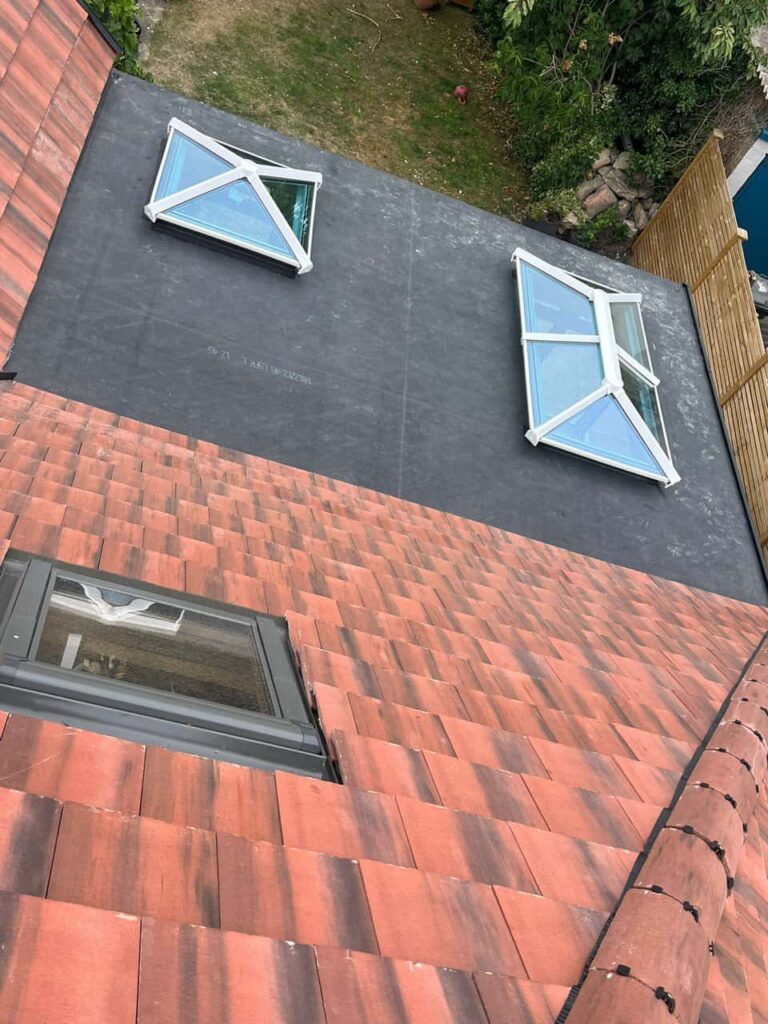
A pitched roof is one of the most traditional and effective roof designs seen across the UK. Recognised by its sloping surfaces that allow rainwater to drain efficiently, it remains the preferred choice for both residential and heritage properties. Understanding how pitched roofs work, their advantages, and what maintenance they require can help homeowners make informed decisions when it comes to roof care.
At Petersfield Roofing Repairs, we’ve worked on countless pitched roofs throughout Petersfield and Hampshire, combining traditional craftsmanship with modern roofing materials to ensure strength, durability, and style. Here’s everything homeowners should know about the basics of pitched roofs.
What Is a Pitched Roof?
A pitched roof is defined by its sloping sides, usually meeting at a ridge at the top. This design allows rainwater and snow to run off naturally rather than collect on the surface — a vital feature in the damp and variable British climate.
The two main types of pitched roofs are:
- Single pitch (mono-pitched) – One sloping surface, often used for extensions or garages.
- Double pitch (duo-pitched) – Two slopes meeting at a central ridge, the most common type for homes.
Beyond these, variations such as hipped, gable end, and mansard roofs each bring unique structural and aesthetic qualities, all of which can be expertly maintained by Petersfield Roofing Repairs.
Why Pitched Roofs Are So Popular
The design of a pitched roof offers several advantages that make it ideal for British homes:
1. Excellent Drainage
The sloping structure encourages rain and debris to run off easily, preventing standing water and reducing the risk of leaks or damp-related problems.
2. Durability and Longevity
When properly constructed and maintained, pitched roofs can last for decades. Their strong framework distributes weight evenly, making them resilient against heavy rain, snow, and wind.
3. Energy Efficiency
A well-insulated pitched roof retains heat effectively, reducing heat loss during colder months. This makes it a practical choice for energy-conscious homeowners in areas like Petersfield and across Hampshire.
4. Enhanced Aesthetics
Pitched roofs contribute to a classic architectural look that suits both modern builds and older cottages. The choice of tiles or slates can further complement the character of a property.
5. Attic or Loft Space
A pitched roof often allows for usable attic space — perfect for storage or conversion into an additional room.
Key Components of a Pitched Roof
To understand how pitched roofs function, it’s helpful to know the main components that make up the structure:
- Rafters: The angled beams that form the roof’s shape and support its weight.
- Battens: Horizontal strips fixed to the rafters that hold the tiles or slates in place.
- Underlay: A protective membrane beneath the tiles that prevents water and wind from entering the structure.
- Tiles or Slates: The outer covering that provides the first line of defence against weather.
- Flashing: Metal or lead strips used around chimneys, valleys, and roof junctions to seal vulnerable points.
- Ridge and Hip Tiles: Special tiles that cap the roof’s edges and ridges, protecting against water ingress.
Every one of these components must be installed and maintained correctly to ensure lasting performance — something the specialists at Petersfield Roofing Repairs handle with precision and care.
Common Issues Found on Pitched Roofs
Even with their robust design, pitched roofs are not immune to wear and tear. Over time, exposure to the elements can lead to:
- Slipped or broken tiles, allowing water to seep through.
- Damaged flashing, often around chimneys or valleys.
- Moss and debris build-up, which can block water flow and increase weight on the roof.
- Mortar deterioration, particularly on ridge and hip tiles.
- Condensation and ventilation issues, which can cause dampness in loft spaces.
Regular maintenance and timely repairs can prevent these issues from developing into major problems. Petersfield Roofing Repairs offers thorough roof inspections to identify and resolve potential risks early.
Roof Pitch and Material Choice
The pitch or angle of a roof significantly influences which materials are most suitable. Steeper pitches, for example, are ideal for lightweight materials like natural slate, while lower pitches require tiles or coverings designed to handle slower water run-off.
Common materials used for pitched roofs include:
- Clay tiles – Traditional, attractive, and durable.
- Concrete tiles – Cost-effective and strong, available in a range of finishes.
- Natural slate – Elegant and long-lasting, offering excellent weather resistance.
- Man-made slate – A practical alternative that replicates natural aesthetics.
At Petersfield Roofing Repairs, we ensure that each roof material matches the structure’s pitch, design, and environment, maximising both longevity and performance.
The Importance of Regular Roof Maintenance
Many homeowners overlook roof maintenance until visible damage occurs, but routine inspections are key to preserving a pitched roof’s lifespan. Professional checks can spot early signs of wear, such as cracked tiles, degraded mortar, or leaks forming around flashing.
A maintenance schedule typically includes:
- Clearing debris from tiles, valleys, and gutters.
- Checking ridge and hip tiles for looseness.
- Inspecting underlay and ventilation.
- Replacing damaged tiles or re-bedding ridge sections.
At Petersfield Roofing Repairs, we recommend annual roof inspections — particularly after severe weather — to keep your pitched roof in top condition and prevent unexpected issues.
When to Seek Professional Help
If you notice water stains on your ceiling, missing tiles, or excessive moss growth, it’s important to call a roofing specialist. Attempting to fix roof problems yourself can be dangerous and may cause further damage. Professional roofers not only work safely at height but also have the expertise to identify underlying structural issues.
Petersfield Roofing Repairs provides expert roofing assessments, repairs, and maintenance services across Petersfield and Hampshire. Our experienced team ensures every roof is thoroughly inspected and repaired using high-quality materials and proven techniques.
Conclusion
Pitched roofs remain a timeless and reliable choice for British homes, combining practicality with traditional appeal. Understanding their structure, materials, and maintenance needs helps homeowners make informed decisions about care and repair.
Petersfield Roofing Repairs specialises in maintaining and repairing pitched roofs throughout Petersfield and Hampshire. With our expertise, homeowners can enjoy the confidence that their roof is properly maintained, weather-resistant, and built to last for many years to come.
Call us on: 01730 771 389
Click here to find out more about Petersfield Roofing Repairs
Click here to complete our contact form and see how we can help with your roofing needs.